Sports Injury Care for Teen Athletes
Your kid has been out for weeks. Maybe months. They've seen the doctor, they've done the physical therapy, and they're better than they were, but they're not back. The season is moving on without them, and they're starting to get discouraged about it.
That's the situation most young athletes are in by the time they get here.
Get It Properly Diagnosed First
Before anything else: if your athlete has pain that followed an impact, or pain near a growth plate, get it imaged and evaluated by a physician. Growing bodies have vulnerabilities adults don't, and some injuries in adolescent athletes need to be ruled out before anyone starts hands-on work.
I'm not a substitute for that workup and I'd rather you have it done than skip it. Most of the athletes I see have already been through it. That's usually how they end up here. The serious things have been ruled out, the rehab has been done, and something still isn't right.
What's Different About a Growing Athlete
Teenagers aren't small adults. Growth plates are still open, bone is still changing, and a body that grew four inches in a year is working with proportions it hasn't adjusted to yet. Add year round single sport play, which is now normal, and you get overuse patterns that didn't used to show up until adulthood.
It also means the approach has to be lighter. Most of what I do with young athletes is low force work, and there's usually less of it than there would be with an adult.
What I Actually Do
Three things, combined based on what the injury needs: acupuncture, Fascial Counterstrain, and myofascial therapy.
Fascial Counterstrain is the piece that's uncommon. It's a gentle, hands-on technique developed by Brian Tuckey that works with the body's tension patterns rather than against them, and it reaches tissue that most rehab doesn't address directly. There are very few practitioners trained in it in Michigan.
Not every teenager wants needles, and I don't push it. I've worked with kids as young as ten using myofascial therapy alone, with no needles at all. If your athlete is anxious about it, tell me when you book and we'll start with hands-on work and go from there.
A Recent Case
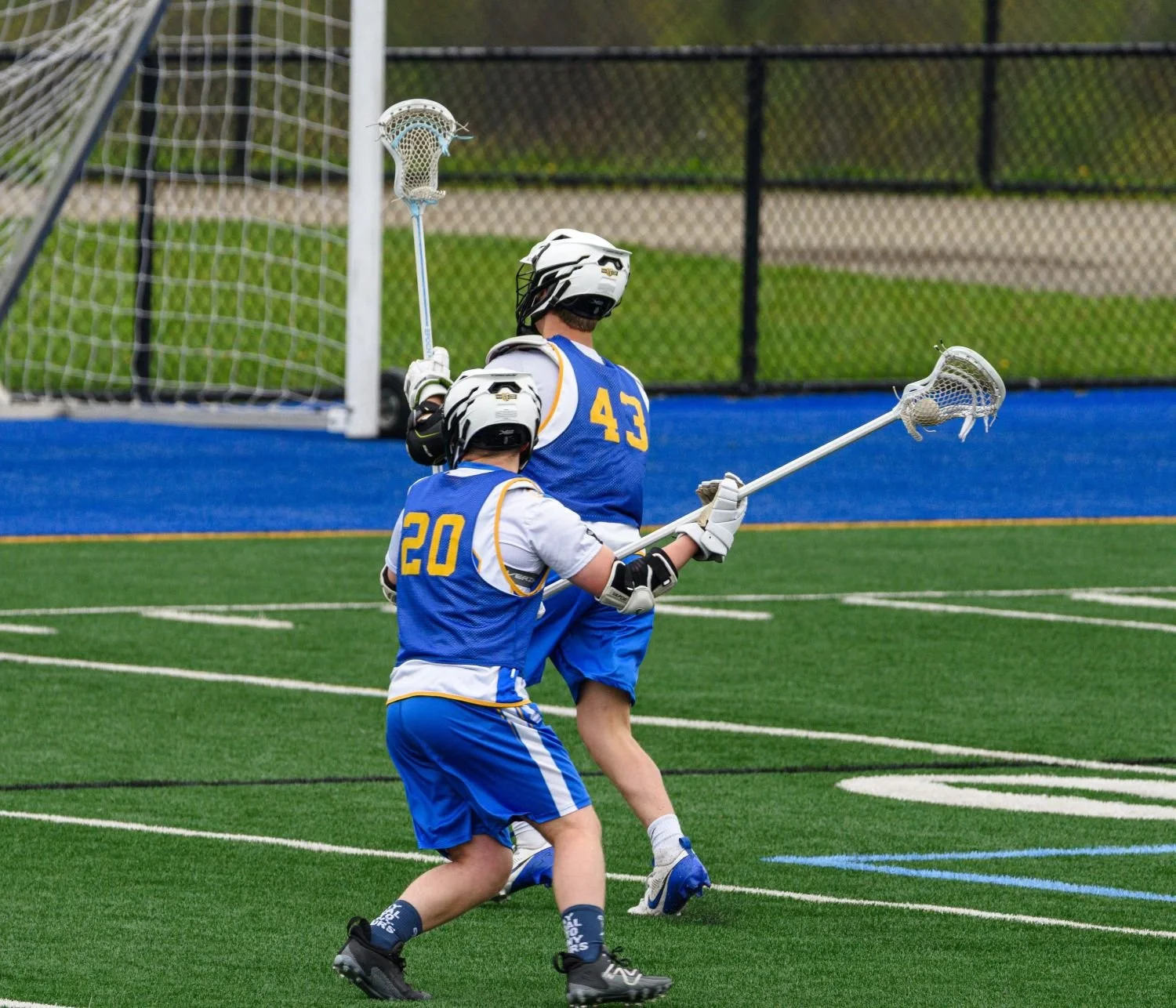
A high school athlete came in recently. He plays lacrosse and football, and had taken a hit to the hip and back. There had been pain around the growth plate in his pelvis, he'd had an MRI, and he'd been working with a physical therapist for a few months. The PT had helped. He still wasn't back to normal, and he'd been out of commission for a couple of months by then. He couldn't go out and play sports with his friends, which at that age is most of what matters.
We did one session of acupuncture and myofascial therapy, working the glutes, hamstrings, psoas, and the muscles around the front of the hip including the TFL. He walked out at about 95 percent and couldn't quite believe it.
I want to be straight about that result. It was unusually fast. Most cases are not one visit, he has more work ahead, and we aren't finished. But he couldn't wait to come back in, which after months of slow progress tells you something.
I also can't tell you whether the growth plate was the real problem or whether it was the soft tissue around it. What I can tell you is what changed when we treated the soft tissue.
This Works Alongside Physical Therapy, Not Instead Of It
I'm not trying to replace your PT. They're doing a different job: rebuilding strength, restoring movement patterns, getting your athlete safely back to load. What I do addresses the tissue that's still guarding and still painful, which is often what's keeping the rehab from sticking.
Tell your physical therapist your athlete is seeing me. Most are fine with it, and I'd rather work with them than around them.
Common Questions From Parents
How young do you treat?
Fifteen and up is where I'm most comfortable, which in practice means high school athletes. I've worked with children as young as ten using myofascial therapy only. For anyone under eighteen, a parent stays in the room for the whole appointment.
Does my athlete have to have needles?
No. If needles are a barrier, we can do hands-on work only. Plenty of younger patients start that way, and some stay that way. Tell me when you book.
Will this interfere with their physical therapy?
No. The two work well together. Let your PT know, and I'll work around whatever they have planned.
Will my athlete be back for the season?
I can't promise that, and I'd be careful with anyone who does. It depends on the injury, how long it's been going on, and what's actually driving it. After a first visit I can usually give you a realistic sense of what we're looking at.
How many visits will it take?
Recent injuries often respond in a handful of sessions. Something that's been going on for months usually takes longer, because the pattern has had time to settle in. After the first appointment I'll be able to tell you what I think your athlete needs.
Book an Appointment
Berkley Acupuncture
36700 Woodward Ave, Suite 30
Bloomfield Hills, MI 48304
(248) 210-1895
Serving high school and club athletes across the Detroit Metro area including Bloomfield Hills, Birmingham, Royal Oak, Berkley, Beverly Hills, Franklin, Troy and Bloomfield Township.